
I'm a bit of a news junkie.
News @lemmy.world Florida biologist fired over Charlie Kirk post after his death wins $485K settlement

News @lemmy.world Live Nation-Ticketmaster seeks new trial as 33 U.S. states demand a 'breakup'
politics @lemmy.world Trump to skip son’s wedding that he labeled a ‘no-win’ for him: report
www.independent.co.uk /news/world/americas/us-politics/trump-son-wedding-skip-iran-war-b2981938.html
World News @lemmy.world US funding cuts have hampered response to the deadly Ebola crisis, aid workers say

News @lemmy.world Ex-prosecutor and other Trump critics sue to block payouts from $1.8B 'anti-weaponization' fund
politics @lemmy.world Kevin Warsh sworn in as Fed chair as Trump faces backlash over economy

politics @lemmy.world The Trump phone appears to have already leaked its customers’ personal information through a glaring exploit

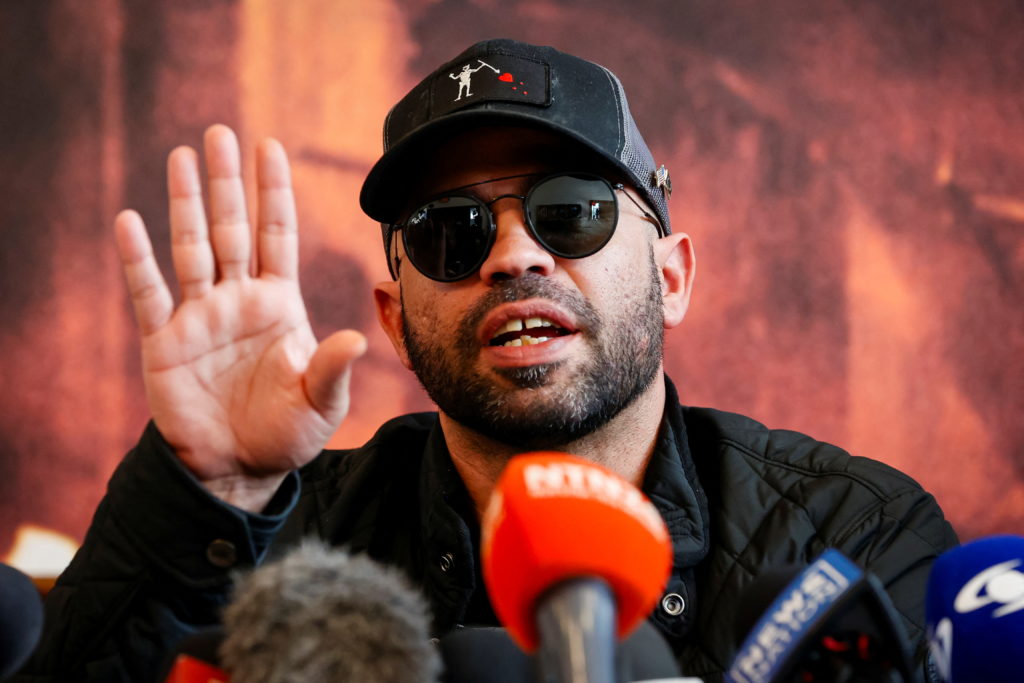
politics @lemmy.world Ex-Proud Boys leader Enrique Tarrio tells PBS News he believes he's owed tens of millions from DOJ fund
World News @lemmy.world U.S. pauses $14bn Taiwan arms sale just days after Trump’s summit with Xi Jinping in China

World News @lemmy.world Venezuelan makeup artist who was deported to El Salvador seeks asylum in Spain: ‘I feel safe here’

News @lemmy.world Charges dropped against activists in Chicago immigration crackdown amid grand jury misconduct claims

World News @lemmy.world Exxon may return to Venezuela, ending a long fight with its leaders
News @lemmy.world Army cuts dozens of medical training courses amid funding woes

politics @lemmy.world Senate goes on break amid GOP plan to curtail Trump $1.8 billion 'anti-weaponization' and $1 billion ballroom funding
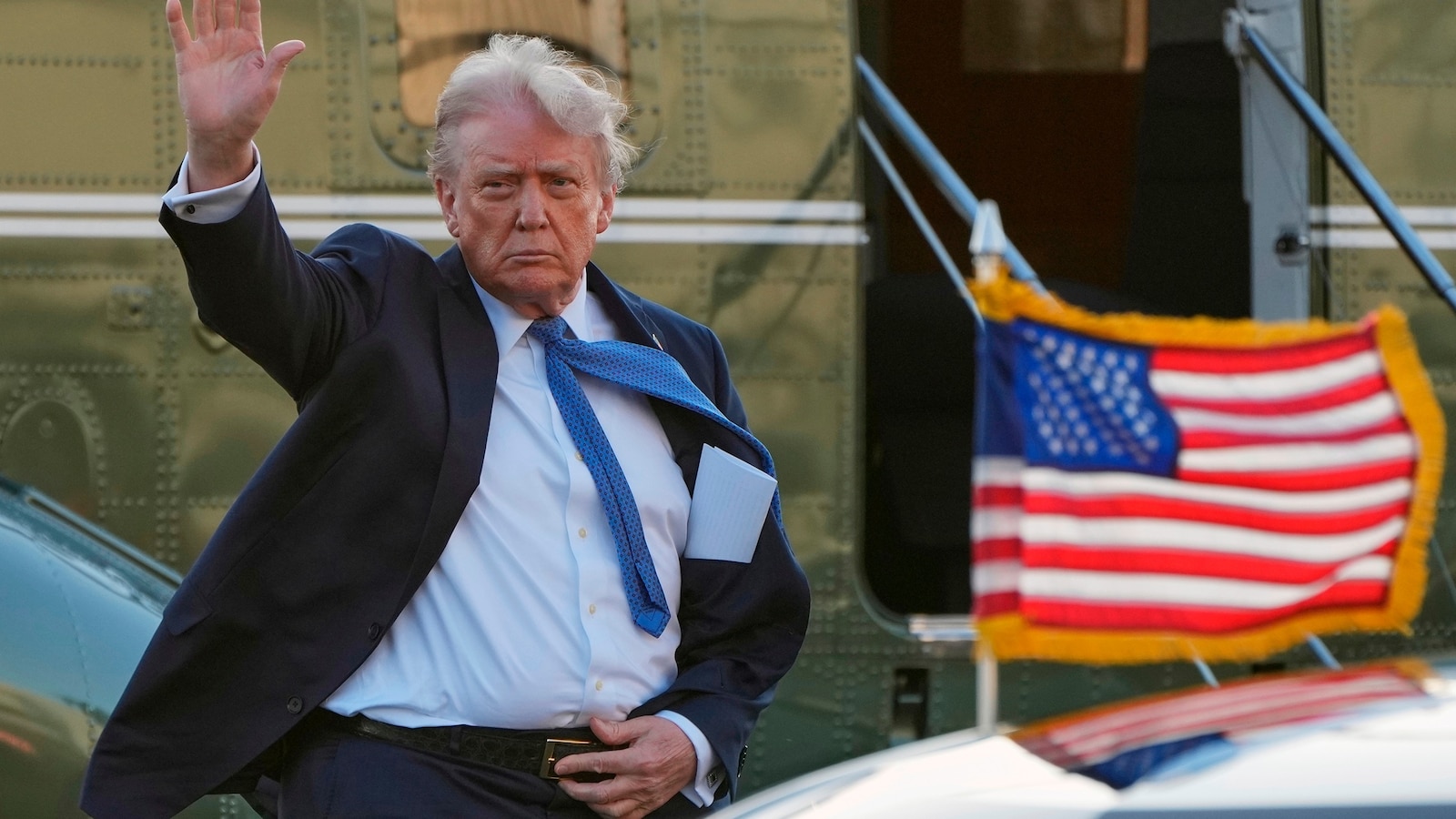
politics @lemmy.world Ballroom won’t be funded after Senate GOP drops $1 billion Trump security request
News @lemmy.world Young Americans demand court halt Trump’s biggest rollbacks of pollution protections

News @lemmy.world Xi and Putin condemn ‘irresponsible’ US foreign policy at Beijing summit

politics @lemmy.world Trump orders banks to take a closer look at clients' citizenship in new immigration enforcement move
News @lemmy.world US justice department ‘forever’ bars IRS from auditing Trump’s past tax returns

World News @lemmy.world Xi Jinping and Vladimir Putin meet in Beijing less than a week after Trump visit


TikTok is fighting a possible US ban in January 2025 and was in court last week to argue the questions that you're raising: https://www.npr.org/2024/09/16/g-s1-23194/tiktok-us-ban-appeals-court