Reviewer at Hugo-winning blog Nerds of a Feather. Longlisted for the 2022 Best Fan Writer Hugo. Buy my book: books2read.com/u/3J6KYX Main Fediverse account: carturo222@geekdom.social
Science @beehaw.org Indigenous control of land leads to better reforestation outcomes
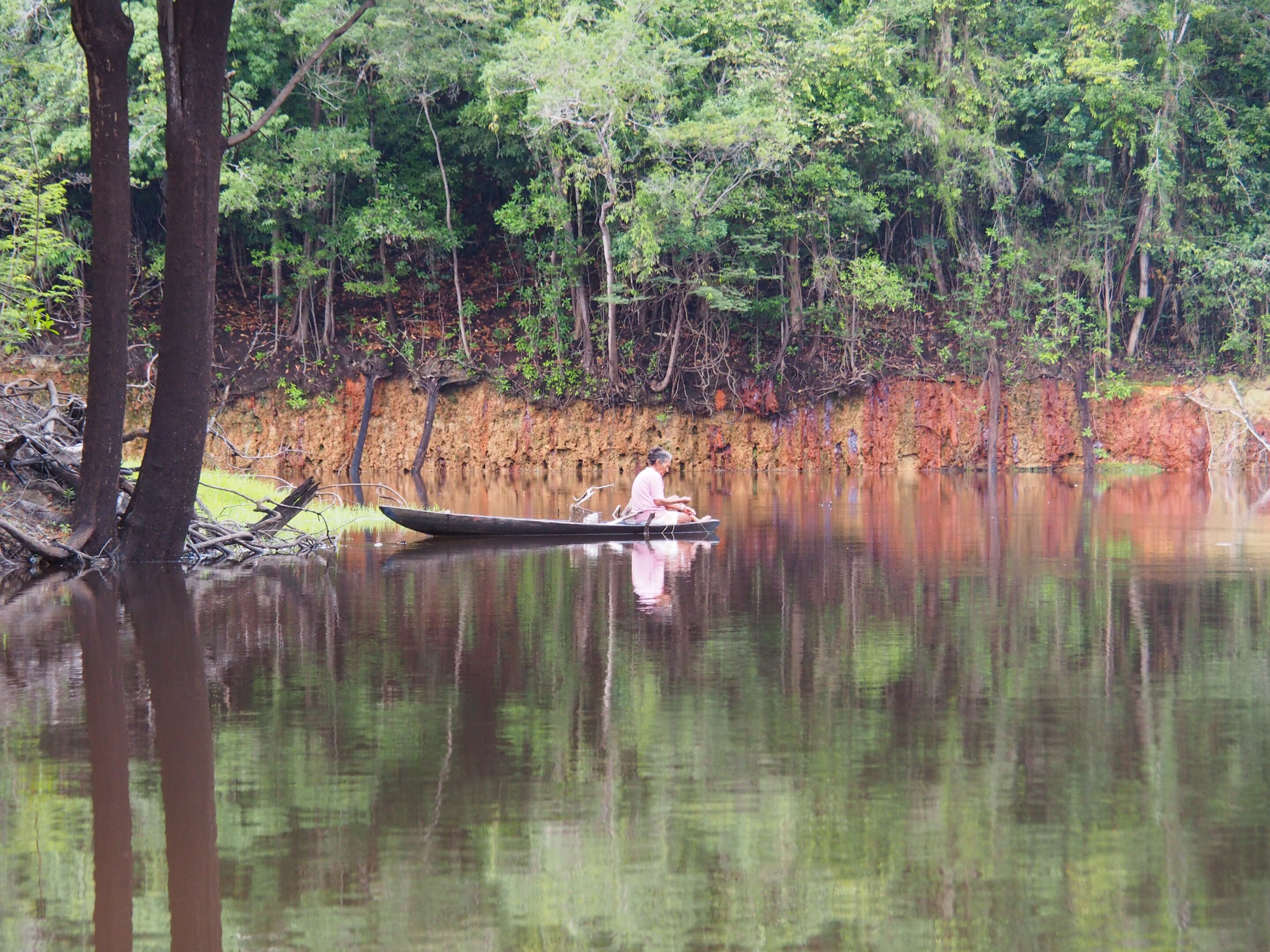
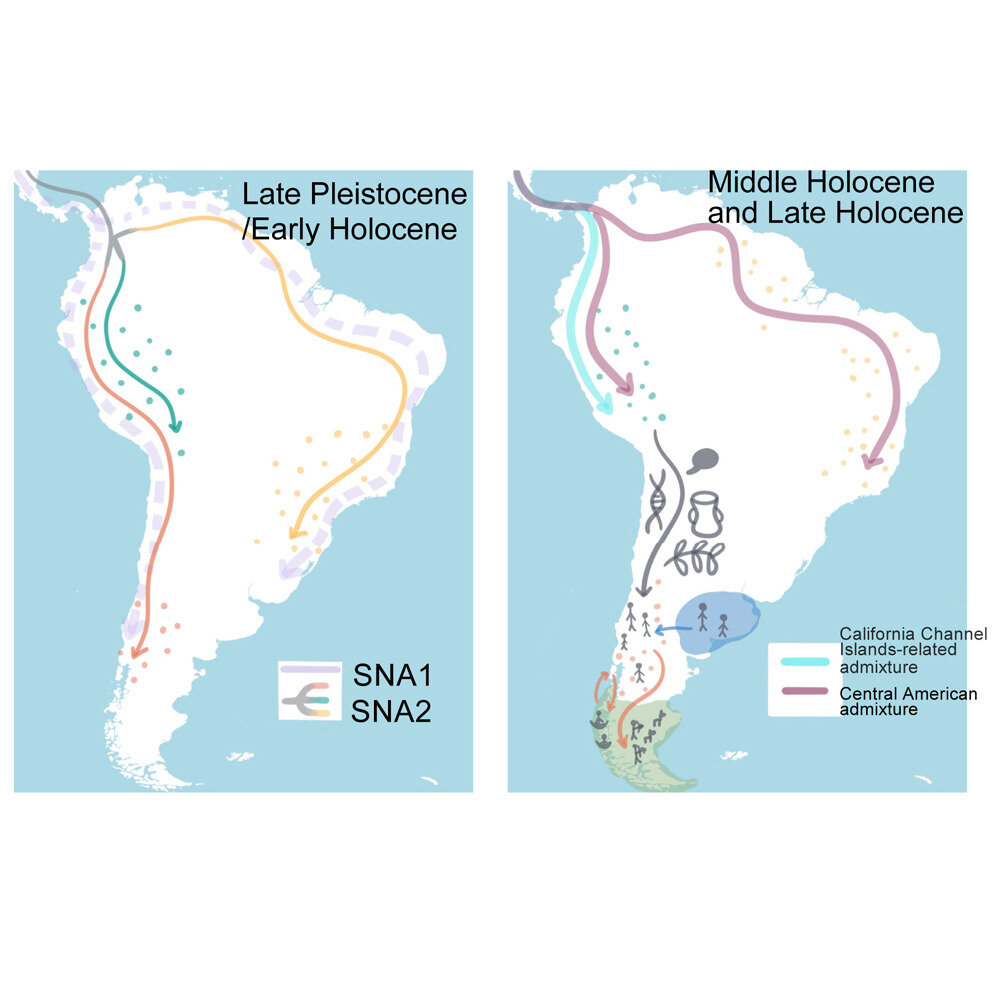
Science @beehaw.org Tracing Chile's Indigenous roots through genetics and linguistics
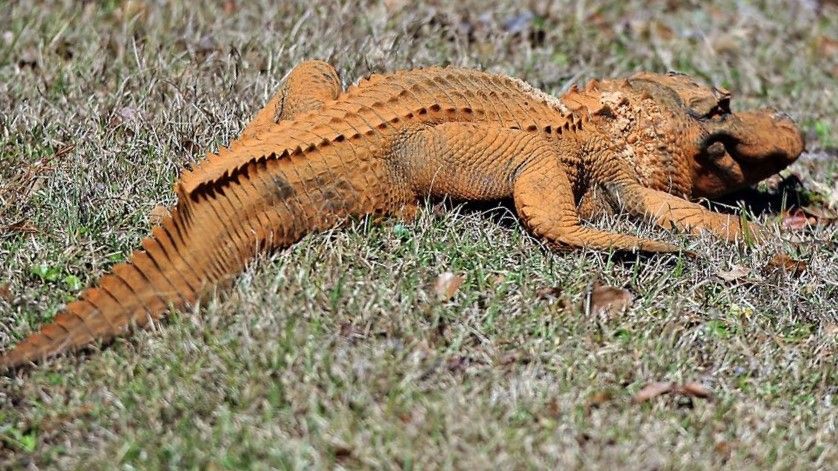
Science @beehaw.org Crocodiles and gharials are getting bizarre orange 'tans' in Nepal. Here's why.
Humanities & Cultures @beehaw.org Scotland's ancient Stone of Destiny, also called the Stone of Scone, is shrouded in mystery and tradition

Humanities & Cultures @beehaw.org Medieval Manuscript Reveals 15th-Century Comedy Routine

Humanities & Cultures @beehaw.org Galileo Galilei's Legacy Went Beyond Science

World News @lemmy.ml How India’s ‘slum-free’ redevelopment fails residents by ignoring their design insights and needs

Science @beehaw.org Changing wild animals’ behavior could help save them – but is it ethical?
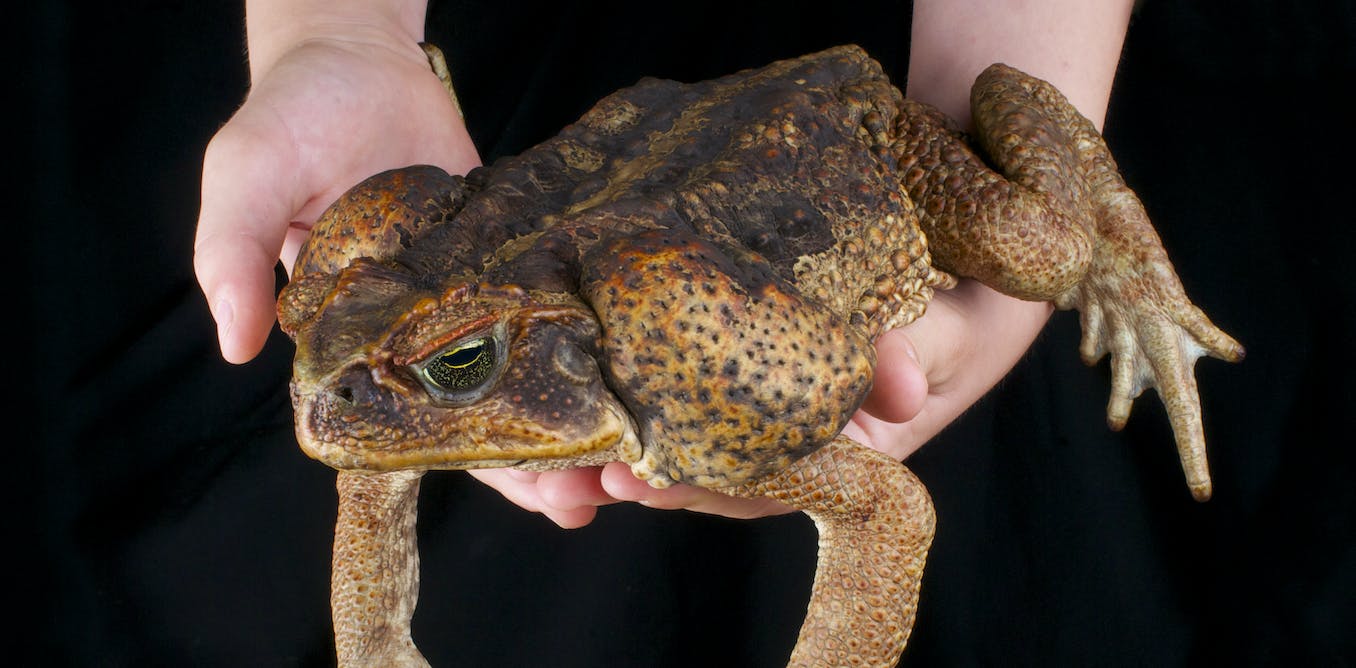
Science @beehaw.org How activity in outer space will affect regional inequalities in the future

Humanities & Cultures @beehaw.org 2,300-year-old Buddhist elephant statue from India is one of the oldest known

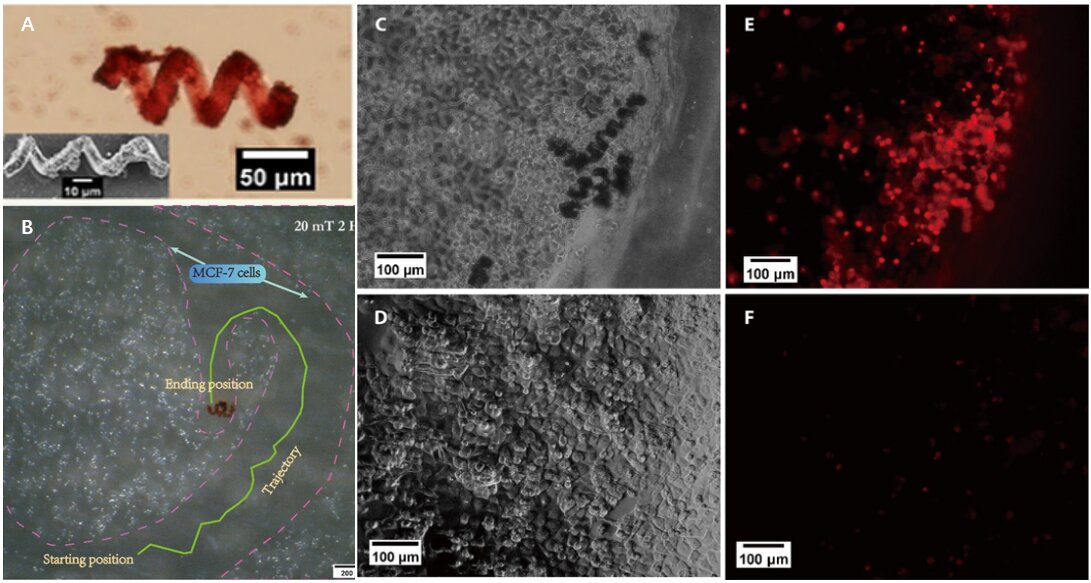
Science @beehaw.org Team develops magnetic microrobots with folate to promote targeted drug delivery to cancer cells
Science @beehaw.org Why millions of usable hard drives are being destroyed

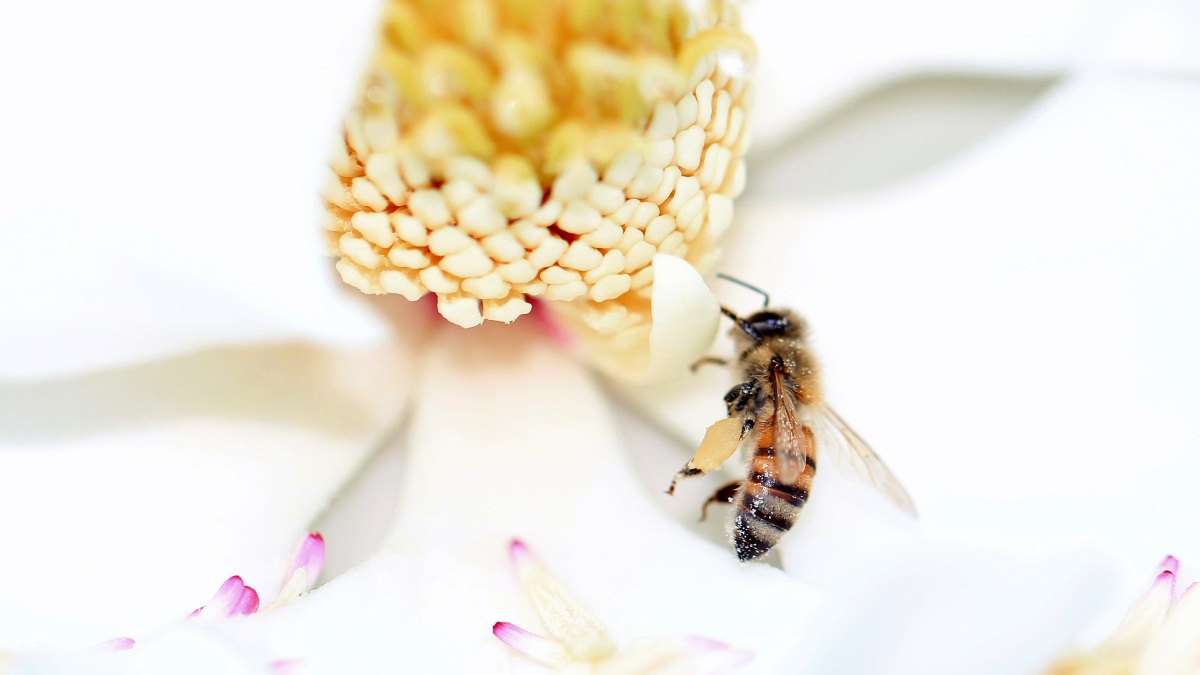
Science @beehaw.org Scientists establish how first flowering plants were pollinated 140 million years ago
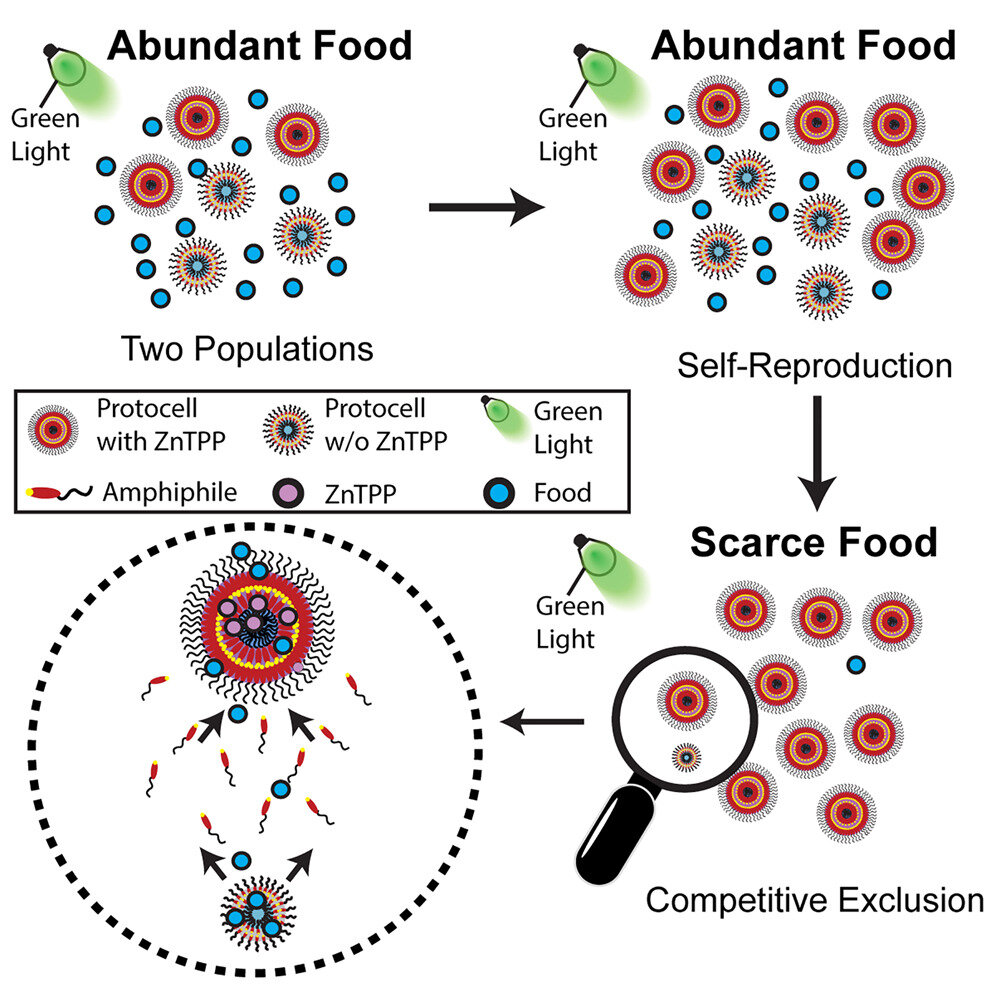
Science @beehaw.org Synthetic species created without biochemistry operate according to Darwinian evolutionary principles
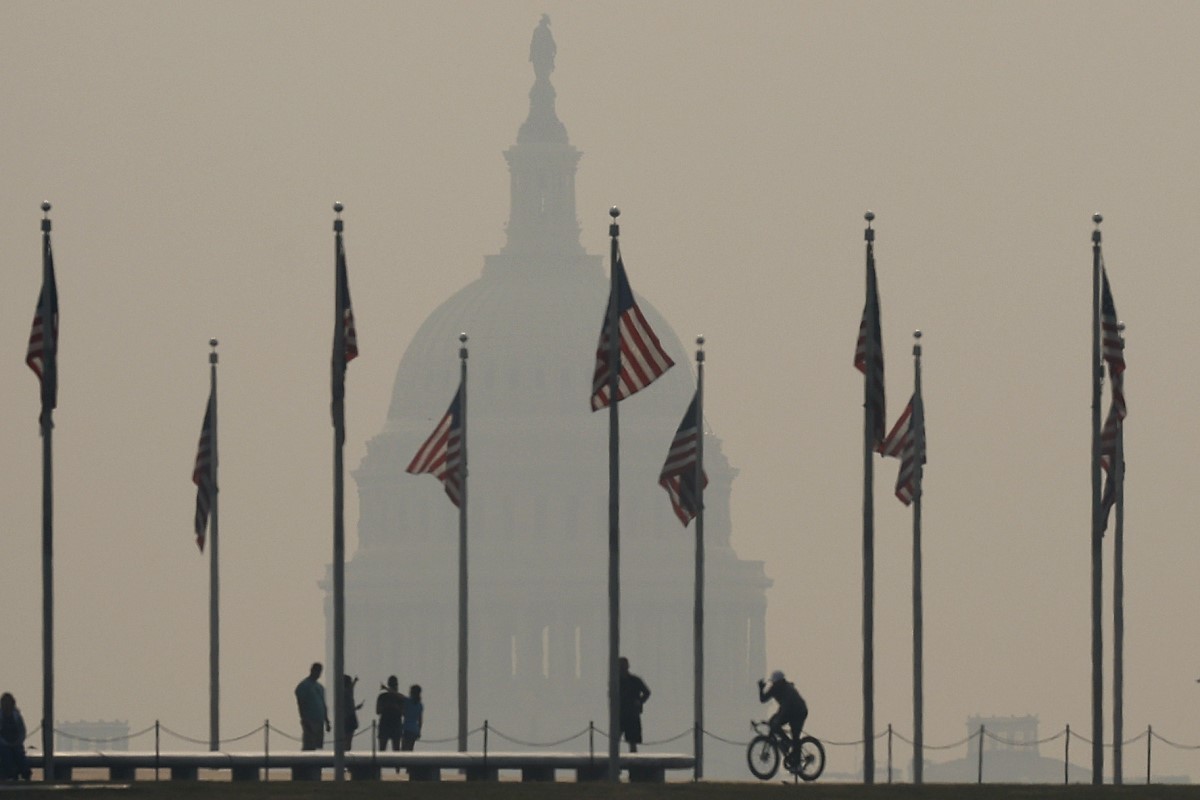
Science @beehaw.org Climate change is creating a new kind of dangerous wildfire
Science @beehaw.org We finally have malaria vaccines. The next hurdle: Distributing them.

Humanities & Cultures @beehaw.org An old perfume bottle reveals what some ancient Romans smelled like

World News @lemmy.ml Uganda’s extreme anti-LGBTQ legislation, explained

Science @beehaw.org Scientists Have Found the First Branch on the Tree of Life

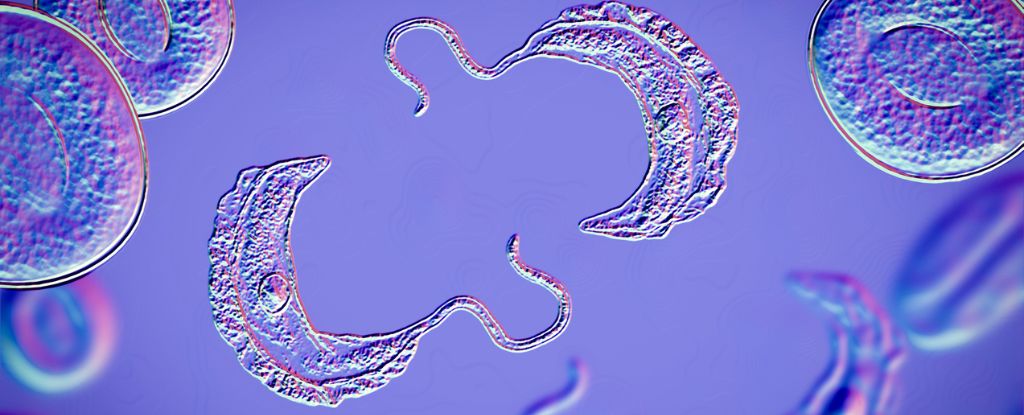
Science @beehaw.org We're a Step Closer to Stopping a Parasite From Inflicting 'Sleeping Sickness'